Santtany: A Handwritten Font That Elevates Web Design
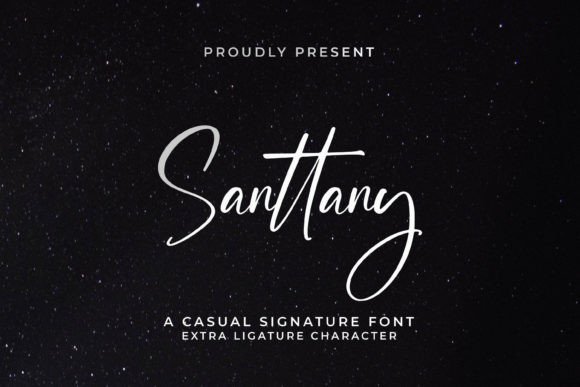
Recently, I had the chance to work with Santtany, a casual signature font that immediately caught my eye for its charm and character. As a web designer who often balances creative flair with clean usability, finding a typeface that brings warmth without compromising legibility is always a win. Santtany fits right into that sweet spot—offering a handwritten feel that feels both personal and professional in digital spaces.
First Impressions in a Hero Section
I first tested Santtany on a hero section for a boutique online store redesign. The client wanted something welcoming yet modern, something that could convey a sense of curation and care. When I dropped Santtany into the headline, it transformed the look instantly. Its natural flow and subtle inconsistencies give it a human touch, perfect for brands that want to stand out without shouting.
The font’s open letterforms and generous spacing made it easy to read at large sizes across desktops, tablets, and mobile devices. It didn’t feel cluttered or too stylized when scaled down either, which was great for ensuring responsiveness. I especially appreciated how it looked against a soft pastel background—it added depth without overwhelming the layout.
A Versatile Display Font for Digital Branding
Santtany belongs to the Script Amp category, but what makes it unique is how adaptable it is in different web contexts. While many script fonts struggle to maintain clarity on screen, especially at smaller sizes, Santtany holds up well due to its consistent stroke weight and balanced contrast. This makes it ideal for use in headers, subheaders, call-to-action buttons, and even decorative elements like taglines or site-wide accents.
One standout feature is its emotional appeal. Santtany feels approachable and trustworthy, making it a solid choice for websites that aim to build a personal connection with their audience. Whether it's a lifestyle blog, an e-commerce shop selling curated homeware, or a coaching website offering mindfulness services, this font adds a layer of authenticity that resonates visually and emotionally.
Use Cases Across the Web
- Hero Headlines: Santtany works beautifully as a display font for bold, expressive headlines. Its organic curves and friendly vibe are great for catching attention and setting a warm tone.
- Boutique Online Stores: For product banners and brand messaging, Santtany gives a handcrafted feel that aligns well with artisanal aesthetics. It’s particularly effective on lifestyle and wellness sites where personality matters.
- Course Sales Pages: I used it on a course landing page for a creative writing service. The title “Write From the Heart” in Santtany felt just right—inviting and genuine, encouraging users to click and explore more.
- Portfolio Sites: On a photographer’s portfolio homepage, Santtany was used in the tagline and under each project title. It helped create visual rhythm and gave the design a handmade edge without sacrificing professionalism.
- Blog Headers & Social Media Graphics: Santtany also performed well in blog post titles and social media assets. It adds a nice contrast when paired with minimalist sans serif body fonts, helping guide the user’s eye naturally through content.
Font Pairing Tips for Web Projects
When using Santtany in a digital layout, pairing it with the right secondary font is key. I found that it complements clean sans serif fonts like Lato or Open Sans exceptionally well. These pairings allow Santtany to take center stage while the supporting text remains scannable and unobtrusive.
If you're going for a more editorial or luxury feel, consider combining it with a simple serif like Merriweather or Playfair Display. This can add sophistication to your design, especially in branding kits or campaign pages. Just be sure not to overuse it—Santtany shines best when used sparingly for emphasis rather than throughout entire sections of text.
Responsive Readability Considerations
While Santtany is designed for a handwritten aesthetic, it doesn’t mean it’s limited to large display areas. In fact, I was impressed by how it handled smaller UI elements when optimized correctly. However, for anything like navigation menus, form labels, or long paragraphs, I wouldn't recommend using it as the primary font. It’s better suited for short, impactful phrases.
Here are some quick tips for using Santtany effectively in responsive web design:
- Keep line heights generous to prevent letters from feeling cramped.
- Use a lighter weight for background overlays and a bolder one for foreground text.
- Test it on dark mode to ensure it maintains its elegance and readability.
- Make sure it’s properly kerned, especially when placing it over images or within tight button designs.
Designing for Accessibility and Performance
As with any display font, accessibility should be a priority. Santtany isn’t ideal for dense reading passages or small-sized body text, so it’s important to reserve it for visual impact rather than information-heavy sections. Always test it with screen readers and ensure that fallback fonts are set appropriately in your CSS to maintain readability if the custom font fails to load.
Performance-wise, I checked the file formats included and found that they support common web standards like WOFF and WOFF2. This means faster loading times and broader browser compatibility. If you’re building a high-performance site, those details matter—and Santtany delivers there too.
Commercial Use and Licensing
Before launching any client project or live site, it’s crucial to verify licensing terms. Santtany comes with clear commercial usage rights, which is essential for designers working on branded websites, digital products, or SaaS platforms. You’ll also find helpful notes about included alternates, ligatures, and weights, which are great for adding variety without complicating your typography system.
Its multilingual support covers a wide range of characters, making it suitable for international projects. And for those interested in SVG-style animations or variable fonts, Santtany offers enough flexibility to experiment with while keeping things grounded in good design practice.
Bringing Brand Identity to Life Digitally
Brand identity is all about consistency and perception. Santtany has a distinct voice that can reinforce a brand’s message subtly. I’ve used it in several mockups for clients in the lifestyle and wellness niches, and it always seemed to enhance the overall experience. It communicates thoughtfulness and creativity, which are invaluable traits for digital storefronts and personal brand websites alike.
What I love most is how it helps differentiate a brand from generic templates. In a world full of cookie-cutter web designs, Santtany brings a touch of originality that stands out without being gimmicky. It’s a font that invites people to linger a little longer, whether on a landing page or a product listing image.
Where Not to Use Santtany
Though Santtany is incredibly versatile, it does have limitations. Avoid using it for:
- Long blocks of text: Its casual nature makes it unsuitable for extended paragraphs or articles.
- Small UI components: Tiny buttons or menu items may lose clarity with such a decorative style.
- High-contrast dashboards: Technical interfaces need clear, legible fonts for functionality.
Final Thoughts on Digital Integration
Santtany isn’t just another pretty script font—it’s a thoughtful addition to any web designer’s toolkit. Whether you're crafting a new brand identity, designing a landing page for a product launch, or looking to inject warmth into a digital portfolio, this font brings a level of personality that feels intentional and refined.
It’s especially useful for creative entrepreneurs, indie developers, and small business owners who want their websites to reflect a more personal, crafted approach. And with proper pairing and spacing, it can coexist seamlessly with modern, functional typography systems.
So next time you're looking for a display font that tells a story, consider Santtany. It’s not just a typeface—it’s a design asset that can shape the way your audience experiences your brand online.